Get all the tips from Randy

Learn about control layers from Randy
If you enjoyed learning from Randy, you’re in luck. Check out his crash course on the ins and outs of the four control layers, a fundamental of building science.

Installing windows for air control
Get tips on how to connect the air control layer to your window for a proper installation or to put it more simply, how to make sure your installation keeps the inside in. Here to explain the details is seasoned contractor and energy efficiency consultant Randy Williams.
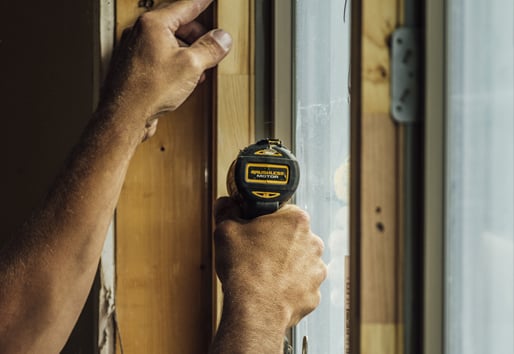
Installing windows for thermal control
Get tips on how to connect the thermal control layer to your window for a proper installation or to put it more simply: understand how windows affect the insulation value of a wall. Here to explain the details is seasoned contractor and energy efficiency consultant Randy Williams.
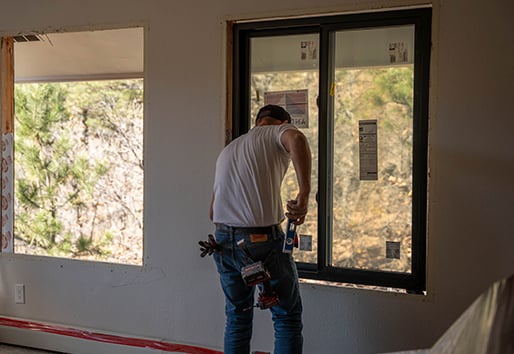
Installing windows for vapor control
Get tips on how to connect the vapor control layer to your window for a proper installation or to put it more simply, how to make sure your installation keeps the outside out. Here to explain the details is seasoned contractor and energy efficiency consultant Randy Williams.

Installing windows for continuous water control
Get tips on how to connect the water control layer to your window for a proper installation, or to put it more simply, how to make sure your installation keeps the outside out. Here to explain the details is seasoned contractor and energy efficiency consultant Randy Williams.
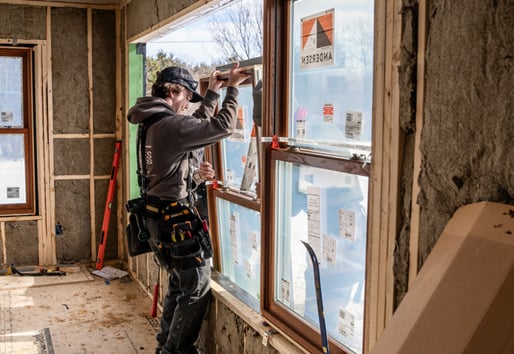
Outie, innie, middie: Which window install is the best?
Should your window be installed flush with the siding? It depends on your customer’s priorities, the skill of your crew, and more. Ready to learn the pros and cons of these various window installation styles? Here to explain is seasoned contractor and energy efficiency specialist Randy Williams.
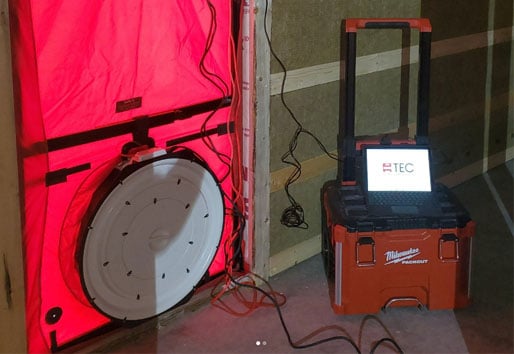
What is a blower door test?
If you’re wondering about this air-tightness test, there may be no better person to explain than our guest contributor Randy Williams. Randy makes his living as a contractor and energy efficiency specialist. In this piece, he’ll walk you through the fundamentals behind blower door testing.
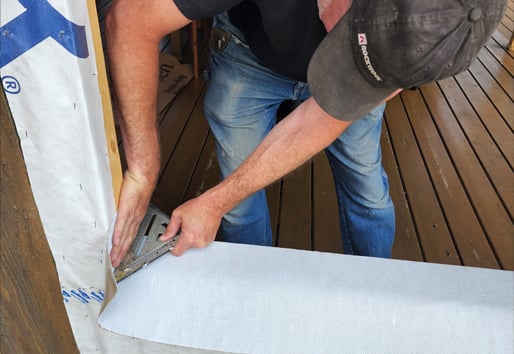
A quick guide to air sealing a window
In his nearly 30 years in the construction industry, Randy Williams has seen the good, the bad, and the ugly of construction methods. In this article, he’s sharing some tips about air sealing — a critical step to properly installing a window.
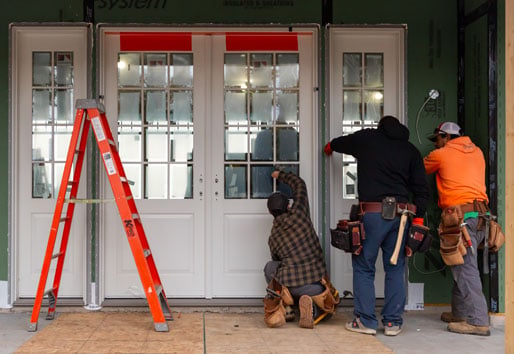
High-performance building 101
Trying to wrap your head around ENERGY STAR®, passive house, and more approaches to building energy-efficient homes? Here to guide you is guest contributor and energy efficiency specialist, Randy Williams.
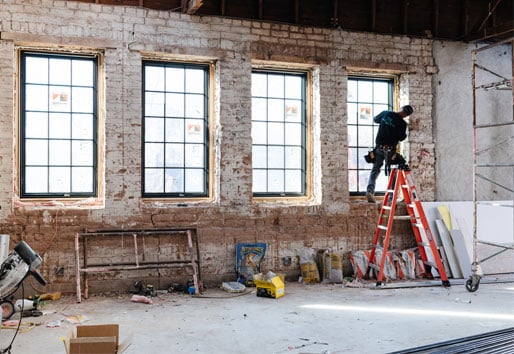
What’s the difference between R-Value and U-Factor?
You're probably aware of these measures of thermal performance but might be wondering how they differ, why U-Factor is used for measuring windows, and how to use these measures when selecting product. Here to explain is guest contributor Randy Williams.

How to account for climate when picking out windows
Understanding the local climate is key to selecting the right windows for your project. Guest contributor Randy Williams explains what you need to know.
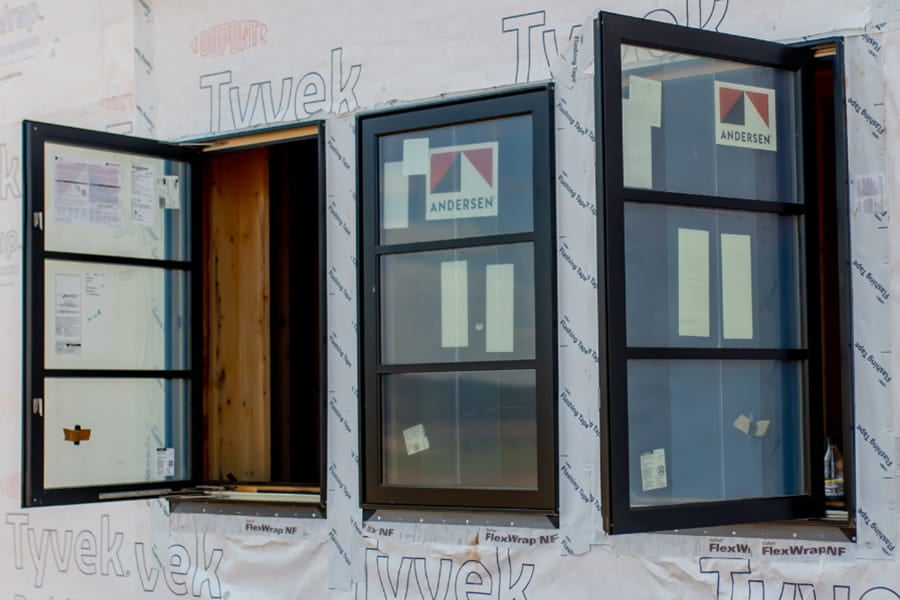
Window performance labels
Ever wonder what all those numbers listed on a window label mean? In this article, guest contributor Randy Williams explains how to make use of performance data, particularly thermal performance data, when picking out windows for your project.
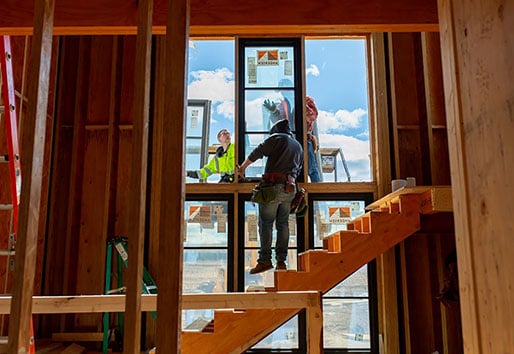
Building back better after a fire
When an architect and his wife got the chance to redesign their home, a combination of creativity and pragmatism helped them overcome the barriers and turn constraints into inspiration.

Window installation and water resistive barriers (WRBs)
Get an overview of what you need to know about integrating windows with water resistive barriers (WRBs). Here to guide you is contractor, energy auditor, and guest contributor, Randy Williams.
