Tips
Flood your home with light and more! The benefits of floor-to-ceiling windows explained
Floor-to-ceiling windows flood your home with light, make a modern interior/exterior statement, and help break down the barrier between indoors and out. In other words, they’re extremely impactful. Here’s how to incorporate them into your home and more answers to your most frequently asked questions.
What’s a floor-to-ceiling window?
As you might expect, a floor-to-ceiling window typically starts at the floor and extends to the ceiling. It's a look that can be created using various types of windows, though usually a picture window (a window that doesn’t open) is used. Sometimes, several types of windows are combined to create a window wall effect. For example, large picture windows with smaller awning windows can give you the option of fresh air.
Here is a quick run-down of what you should consider to maximize the benefits of floor-to-ceiling windows:
- Glass: Choosing the right type of glass for your budget, and performance goals is important. Our different Low-E coatings can either help trap heat in or keep it out based on climate needs, and triple-pane glass is a high-performing choice for extra insulation.
- Materials: You’ll want to choose a product made with materials that suit your style and needs. All our frame materials are durable and low maintenance. We offer wood windows with protective exterior materials that vary by product line. We also offer all-composite windows through our 100 Series product line, which is made of our exclusive Fibrex® material.
- Energy-efficiency: Glass will never be as efficient as a wall, but there are options to make your floor-to-ceiling windows more energy efficient. Remember the difference glass options like triple-pane and Low-E coatings can make and work with your pro to select a frame material that suits your climate.
- Placement: If you know there’s a beautiful view outside your home that you want to put on full display, or there’s a living room where you want to maximize natural light and open up the space, you have the perfect opportunity for a floor-to-ceiling window.


Where do floor-to-ceiling windows work best?
Of course, it’s your home, your rules. But if you’re looking for some ideas to get you started. Here are our top picks for places where floor-to-ceiling windows shine.
Modern homes
In a modern home, floor-to-ceiling windows are only natural. Not only is this style characterized by clean lines and lots of glass, but its boxy shape also makes tall rectangular windows a perfect fit. In the home below, the owners wanted to create a modern aesthetic. To do this, they chose A-Series Picture Windows and A-Series Gliding Patio Doors. The windows look sleek and contemporary, and best of all they put the view on display — a hallmark of the modern aesthetic.
Takeaway: Greater expanses of glass can be created by combining windows in large configurations. Ordering windows that are designed to be installed together can help avoid too much framing in between the windows. Talk to your builder if you’re interested in this option.
Small spaces
In a small room or tight corner, a floor-to-ceiling window is particularly impactful. It can expand the feeling of the space, like it does in Hilton Carter’s kitchen pictured below. When the plant and interior stylist went about remodeling his family’s home in Baltimore, he added this floor-to-ceiling window in an under-utilized corner of his kitchen where it not only brings in light, it also maximizes his indoor growing capabilities due to an in-floor planter.
Takeaway: You can make a small space feel bigger with a floor-to-ceiling window, so keep them in mind as a useful installation for dark corners, stair landings, and utilitarian rooms, like laundry rooms and offices.

Biophilic designs
In a home where you want to create a strong connection to nature, there’s no better window than floor to ceiling. When Sara Imhoff, AIA, and her partners at Imprint Architecture and Design LLC set out to design the home below for clients on the Minnesota prairie, they used a simple floor plan and floor-to-ceiling windows to bring natural light into rooms from multiple sides. “It’s a house that focuses on its exterior surroundings,” Imhoff said. “Everywhere you look, you’re looking out a window.”
Takeaway: Views and natural light are on full display when you use floor-to-ceiling windows to break down the barrier between indoors and outdoors.
Floor-to-ceiling windows and energy efficiency
If you’re wondering whether having such a large expanse of glass will make your home less efficient, here are some selections to consider.
- Window type: Picture windows don’t open (sometimes described as “fixed”) and that tends to make them efficient for a floor-to-ceiling opening. You can always combine them with a smaller-scale awning or other opening (or “operable”) window, if you want the option to bring in fresh air.
- Glass type: Triple-pane is our most efficient window glass option and it’s available through various product lines. Consider these product lines when selecting floor-to-ceiling windows.
- Glass coating: Low-E coatings help reflect heat and keep your home more comfortable and energy efficient. Selecting the right coating (or coatings — they can be combined) for your climate will help.
Want more details? Check out how to pick out energy-efficient windows.
Safety and floor-to-ceiling windows
Cleaning floor-to-ceiling windows
Like all windows, floor-to-ceiling windows should be cleaned regularly to make the most of your natural light and help keep your windows in good working condition. The height of a floor-to-ceiling window can add some complications when it comes to cleaning, here are some things to keep in mind.
- Exterior cleaning: If you select a picture window for your floor-to-ceiling window you will have to clean the outside of the glass from outside your home. If this is a concern, select a window that opens and is designed to be cleaned from inside the house, like a tilt-wash double-hung window or a casement window. By the way, casement windows can be up to 8 feet tall!
- Interior cleaning: If you have small children, sun-loving pets, or if your windows are in a high-use area, they might need to be cleaned more often than windows that don’t reach the floor. But a little regular attention can go a long way.
When you’re ready for an in-depth cleaning — we recommend doing this twice per year — follow our step-by-step window washing instructions
What do floor-to-ceiling windows cost?
We offer a range of window product lines with options that fit a variety of budgets. That said, it’s not just the windows themselves that must be considered when assessing the cost of floor-to-ceiling windows. The finishing, framing, and fit of windows is more challenging, as Imhoff points out. “A lot of times floor-to-ceiling windows might have to be custom made so they fit perfectly, and the drywallers have to do a fabulous job fitting the finishes into these details,” she said. If cost makes floor-to-ceiling windows prohibitive, there are other ways to create a similar effect.
Alternatives to floor-to-ceiling windows
If floor-to-ceiling windows won’t work in your home for one reason or another, but you still want to create a similar effect, consider the following options:
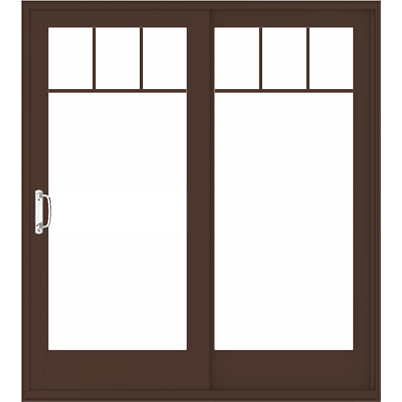
- Sliding glass doors with sidelights or a bi-parting sliding glass door — includes four panels: two center panels that slide to the left and right flanked by two fixed (non-moving) panels — are two glass-forward other options to consider. As a bonus, both will also give you access to the outdoors.
- Punched openings, or windows that frame a view the way a camera’s lens frames a landscape, bring the outdoors in while also offering privacy. And because they don’t go all the way to the floor, they’re easier to frame, install and trim around, according to Imhoff. A punched opening can be created with any type of window. What’s important is its placement and that’s where an architect can help.
- Pair a picture window with a transom (window above another window) to expand the feeling of the room and add more light. If you want the ability to add fresh air, our 400 Series Awning window with power operator is a particularly good choice. It can be opened with the touch of a button, so high placement isn’t a barrier to use.
Ready to explore all the types of windows?
