Different styles of windows: How to choose the best windows for your home
The right windows can shape the way your home looks, feels, and functions inside and out. We’ll help you explore the different styles and explain how to decide between them when picking out windows for your new home or remodel.
Good windows are easy to take for granted. They can bring in feel-good natural light, let you enjoy the beauty in your own backyard, and complement your home’s architecture. They also can provide the right level of functionality by being energy efficient, easy to clean, and practical to open.
However, when you get to the moment in your project where you’re actually picking out windows, it can feel pretty overwhelming to find ones that tick all the boxes. We’re here to explain the most popular window styles, how each works, and how to choose the one(s) that best meet your needs!
Understanding the six most popular window styles
Double-hung window | What is it?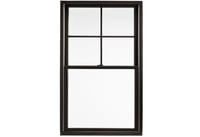 A double-hung window includes two vertically stacked sashes (the glass and framing around it) that slide to open. | ProsA double-hung window has a timeless look that suits any home. It has great functionality as it can be opened from the top, bottom, or both at once. The tilt-wash feature makes it easy to clean, exterior too, from inside your home. | ConsWith more parts and pieces, a double-hung window can be more complex to maintain over time compared to a single-sash casement window. | Where it works bestA double-hung window can give peace of mind when featured in a first-floor room or a child’s bedroom because of its ability to open from the top. Its ability to tilt in for washing makes it a great choice on a second floor as well. In short, a double-hung window works great in any room. | Products to consider
|
|---|---|---|---|---|---|
Casement window | What is it?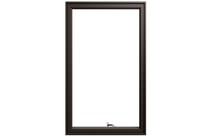 A casement window is a single-sash window that cranks open. | ProsA casement window has a sleek, modern look. It’s also the most energy-efficient operable window. Its crank makes it very functional. It’s also easy to clean, exterior too, from inside your home. | ConsWith its outward opening, a casement can take space away from patios, decks, and walkways compared to a double-hung, single-hung, or gliding window. Those windows all have sashes that remain flush to the window. | Where it works bestThe crank-operated casement window is a practical choice over a kitchen sink, higher on a wall, and anywhere else you’d have to reach to open the window. | Products to consider
|
Single-hung window | What is it?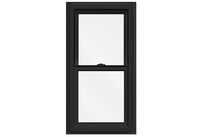 A single-hung window includes two vertically stacked sashes, but only the bottom one opens. | ProsA single-hung window looks identical to a double-hung window, so it has a classic look that’ll suit many architectural styles. The fixed top sash makes this window more energy efficient than a double-hung window and less expensive. | ConsWith its fixed top sash, it won’t allow for as much fresh air as a double-hung window. | Where it works bestAnywhere your window will be too high or too tall to reach the top sash, a single-hung window is a practical choice. | Products to consider
|
Picture window | What is it?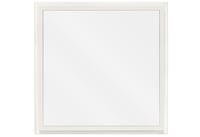 A picture window is a window that doesn’t open. | ProsA picture window can be very large because it doesn’t open. This also makes it the most energy efficient type of window. | ConsDue to its inoperability, it won’t let fresh air into your home. | Where it works bestAnywhere you want to make a statement, an oversized picture window is a great choice. | Products to consider
|
Gliding window | What is it?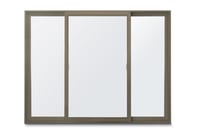 A gliding (commonly called sliding) window includes two or three horizontally oriented sashes that slide from side to side to open. | ProsA gliding window has a sleek look and offers great functionality. It can be an economical alternative to a combination unit (more than one window joined together) anywhere you want to fill a wide space and bring in fresh air. | ConsIt’s important to plan for how you’ll use this window because various configurations are available. It can open from the right, left, or from both sides — but you can’t change how it opens after ordering, so planning is key. | Where it works bestA gliding window can make a particularly nice signature in the front of the house — think living room or dining room. But really, it’s a room-agnostic window. | Products to consider
|
Awning window | What is it?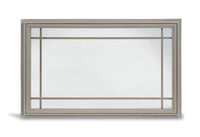 An awning window is crank operated and has a single sash that’s horizontally oriented. | ProsAn awning window has a sleek, modern look and great functionality due to its crank. | ConsLike a casement, an awning window opens outward, so it can obstruct outdoor living space and paths. | Where it works bestAn awning window makes a great choice when you want an opening (operable) window high on the wall. It can be automated to open with the touch of a button. It’s also a good choice for a transom window (window above another window or a door). | Products to consider
|
Build with confidence
Your guide to building a new home
How to pick window styles to match your home’s design and your lifestyle
Now that you have the basics on the most popular styles, how do you pick the right style for your home? There are a few different ways to think through this decision, including focusing on matching your home’s architecture, focusing on how windows could improve the functionality of each room, and thinking through how your lifestyle could be enabled by the right windows. Ideally, all these factors will be weighed. Let’s walk through how to do that.
How to pick out windows to complement your home’s architecture
If your home has a distinct architectural style, this might be easy. Either your architect will be specifying windows to complement its style if you’re building new or remodeling. If you’re simply replacing windows and not working with a designer, you can find lots of resources on picking out windows to match your home style, including here in our Home Styles Library.
However, there are many homes that aren’t authentic interpretations of a distinct style. If that’s your home, you actually have quite a lot of freedom to pick the windows that appeal to you. Start wrapping your head around home style by thinking of it in the broadest terms of traditional, transitional, and modern. Once you understand what traits are usually associated with these categories, you can tailor selections to your tastes.
Traditional homes generally align with more historic recognized architectural styles like a Colonial, Cape Cod, Craftsman Bungalow, etc.
Popular window choices for a traditional home might include:
- Window style: Double-hung or single-hung windows are simply classic.
- Color/Stain: A wood interior is especially beautiful in a traditional home. The particular paint color or stain will likely align with the particular home style.
- Grilles: Add a touch of tradition to windows especially with patterns like colonial and diamond.
- Hardware: Generally, prominent hardware with curves and ridges in a standout finish.
Transitional homes pair characteristics of traditional architecture with more contemporary elements — think Modern Tudor.
Popular window choices for a transitional home are flexible. It’s more about balancing traditional and modern window characteristics in a way that suits your sensibilities. Here’s a quick primer:
- Window style: All six of the most popular window styles could work well. Large sizing will help any of these styles lean more contemporary.
- Color/stain: A more contemporary choice could be black frames or white oak frames.
- Grilles: Skip them or add a simple 2-over-2 pattern on a double-hung or single-hung window.
- Hardware: This detail could be a place to lean into contrast — go with more traditional hardware on a more modern window or vice versa.
Modern homes align with various styles from International Modern to Ranch. They’re united by certain characteristics like clean lines and lots of glass.
Popular window choices for a modern home might include:
- Window style: Picture windows (especially in floor-to-ceiling format), casement windows, and gliding windows are all solid choices.
- Color/stain: A dark color that frames the view and doesn’t draw attention to itself works well — think black or dark bronze.
- Grilles: Often they’re not used or are more subtle, like equal divided light in a 1-over-4 pattern.
- Hardware: It should blend in with the windows, so hardware that’s the same color as the frames and lacks ornamentation
How to pick out windows for each room in your home
Room | Window style | Why?A casement window opens with a crank, which is simply easier to open when you’re reaching over a sink or countertop as will likely be the case in your kitchen. |
Room | Window style | Why?An awning window lets in light and fresh air while preserving privacy because its horizontal shape limits how much of the room is on view. |
Room | Window style | Why?An awning window’s horizontal shape will help it fit where there isn’t a lot of above-ground space. Gliding and casement windows work well because their size can meet egress code requirements, i.e., allow for emergency escape. |
Room | Window style | Why?A double-hung window will offer the greatest advantages in second-floor bedrooms. This is because you can open the top sash, which is a nice ventilation option for a child’s bedroom. You can also clean a double-hung window (exterior side, too) from inside your house — no need to break out the ladder on cleaning day. |
Room | Window style | Why?These rooms where your family and guests will gather are the right place for big, showy windows that flood your space with feel-good natural light and make the most of your views. |
Room | Window style | Why?While any style window will bring in natural light, which has been shown to boost productivity, there are certain selections that can make an office window more functional — like the right glass coating for example. |
Room | Window styleJoined casement windows | Why?These rooms are meant to blur the line between indoors and outdoors. Joined casement windows maximize natural light because they can be installed without wall framing in between for more glass overall. Additionally, a casement’s top-to-bottom opening helps maximize fresh air. |
What’s the best window style?
In short, any of the popular window styles we’ve introduced to you here might be the best one for you. It’ll all depend on your home, design goals, performance needs, and lifestyle. Most likely your home will feature a few different window styles to meet your needs in different spaces.
As you work through your window decision-making, remember to lean on your pros for help. Both architects and builders have experience specifying and installing windows on every single project, so they have invaluable expertise when it comes to selecting windows that balance all your priorities while also fitting your budget.
If you’re still doing your research, check out our Window Selection Guide for a comprehensive look at picking out windows.
