Double-pane vs. triple-pane glass: Which should you pick for your door?
If you’re considering a new patio door or front door, you might be thinking about how to optimize its performance. The right glass can help with energy efficiency, noise reduction, and can even provide return on investment. But the right glass choice depends on your home, your climate, and other factors unique to your situation. Not to worry! We’re here to explain how to weigh these considerations and decide between double-pane and triple-pane glass for your new French door, sliding door, or entry door.
What’s double-pane glass? What’s triple-pane glass?
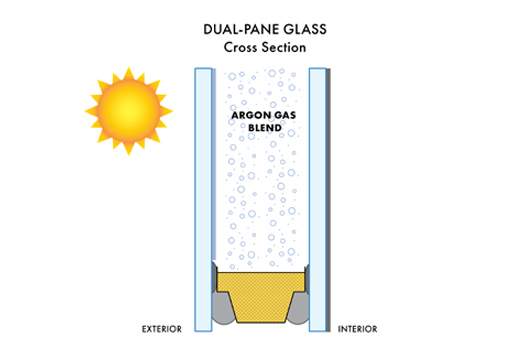
Double-pane glass:
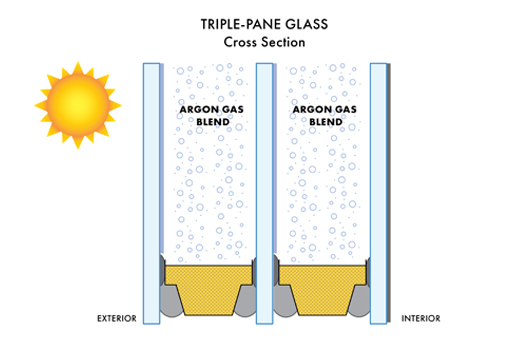
*Products for high altitudes require capillary tubes, which are air filled. | Triple-pane glass:
In addition to our standard Low-E/Low-E4® coating, triple-pane glass allows for additional combinations of low-emissivity (Low-E) coatings inside the IGU. The additional air space and opportunity for more Low-E coatings are what make triple-pane the best performing glass. |
What’s a Low-E coating?
Very thin and generally transparent, Low-E coatings are added to window and door glass to improve energy efficiency. Low-E coatings are widely available in window and door products, but not all manufacturers offer it as a standard option. Dual-pane insulating glass with a Low-E coating is the default standard for all our window and door products.
We offer a variety of Low-E glass options, including our standard Low-E/Low-E4® glass, which is a good choice in climates where both heating and cooling costs are incurred. There are other options as well, including some that are ideal for hot and sunny climates, and some that are ideal for colder climates.
Dual-pane glass can have one coating inside the IGU, while triple-pane glass can have two coatings inside the IGU. Combining multiple Low-E coatings can provide even greater efficiency, which is part of the reason triple-pane glass performs so well. In addition to the Low-E coatings that are applied inside the IGU, there’s a Low-E coating that can be added on the interior (room-facing side) of both dual-pane glass and triple-pane glass. HeatLock® Technology is what it's called, and it can be very impactful.
Ready to deep dive into the details of Low-E coatings?
Feeling overwhelmed by these details? Remember, your pros can advise. Architects, builders, and window and door dealers specify and order windows every day. Lean on their expertise to help you make the right choices.
Build with confidence
Your guide to building a new home
How does triple-pane glass improve performance?
Triple-pane glass improves your door’s performance in the following ways:
1. Energy efficiency is improved with triple-pane glass
This is due to the two air spaces filled with an argon-gas blend and the opportunity for multiple Low-E coatings. These features improve the insulating abilities of triple-pane when compared to double-pane glass. This level of performance is most needed in Northern climates, especially if there’s a desire to meet progressive energy requirements or build a high-performance home.
2. Noise is reduced by triple-pane glass
This is because of its thickness. When sound waves have to travel through multiple glass panes and multiple air spaces, they're slowed and effectively reduced. Triple-pane glass could be worth considering if you live near an airport, highway, etc.
Cost comparison: Dual-pane vs. triple-pane glass for doors
Door cost(Double-pane glass < Triple-pane glass)A door with standard double-pane glass will cost less than a door with triple-pane glass. Doors with triple-pane glass require more materials, including some that are heavier and take longer to produce, like the glass. With a thicker and heavier IGU, stronger and more expensive components are required. So the overall materials and manufacturing that go into the door make it a more expensive product. | Labor cost(Double-pane glass < Triple-pane glass)A door with triple-pane glass will cost more to install than a door with standard double-pane glass. This is because it’ll be heavier, which equates to more labor hours needed, the potential for rental equipment, and other increases in expenses associated with installation. | Energy savings(Double-pane glass < Triple-pane glass)A door with triple-pane glass will outperform a door with standard double-pane glass from an efficiency standpoint. A triple-pane door could decrease your energy costs over time, especially when integrated into a home that’s designed to use less energy, such as a passive home. |
Understanding energy efficiency ratings for door glass
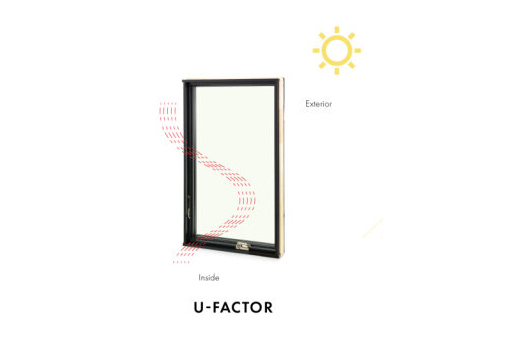
If you live in a cold climate where you spend more on heating, you’ll be looking at U-Factor values
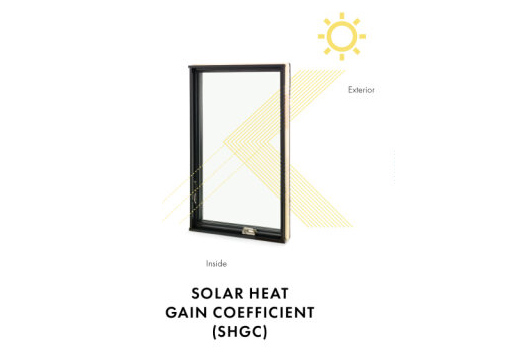
| If you live in a hot climate where you spend more on cooling, you’ll be looking at Solar Heath Gain Coefficient (SHGC) values
|
What to know about the weight of triple-pane doors
The change from double-pane glass to triple-pane glass can increase a door’s weight by 1 ½ times. Our doors with triple-pane glass include framing and components like hinges, sliding mechanisms, and rollers that are designed to perform properly, even with a weightier piece of glass.
When it comes to installation, the weight of the door might necessitate an extra pair of hands or rental equipment, which could increase labor costs.
How to decide: Double- or triple-pane glass for your door?
Still unsure if double-pane or triple-pane glass is better for your new door? Let’s walk through the questions to ask yourself:
Do you live in a Northern climate or Southern climate?
In a Northern climate, triple-pane glass provides more benefits. It’s not typically needed for higher performance in Southern climates.
Are you trying to reach certain energy goals, such as those indicated in a high-performance building program?
If yes, triple-pane glass might make sense, but it’ll again depend on your climate. Find out more about doors and windows that meet ENERGY STAR® v. 7.0.
What’s your budget?
A front door or patio door with triple-pane glass will cost more than one with the standard dual-pane glass. However, we do offer products with triple-pane glass through several different product lines, including the value-oriented 200 Series. So it’s possible there’s a door with triple-pane glass that could fit a more limited budget. The best way to find out if a door with triple-pane glass is in your budget is to request a quote.
Do you prefer a specific frame material?
Good news here: Either a door with dual-pane or triple-pane glass could work as our doors are made of a variety of materials.
Dual-pane glass comes standard with our Entry Doors, Frenchwood® (hinged patio doors) and sliding glass doors (gliding patio doors), so you’ll have a variety of material options to choose from, including clad-wood and our composite Fibrex® material.
Triple-pane glass is available with doors from our clad-wood product lines, including A-Series, E-Series, Entry Doors, 400 Series, Big Doors, and 200 Series doors.
FAQs about double- and triple-pane glass for doors
Up next

Tips
What makes a front door energy efficient?

Tips
Entry door buying guide: The different styles of front doors

Tips
Front door size guide: Finding the right door size for your entry

